
Introduction:
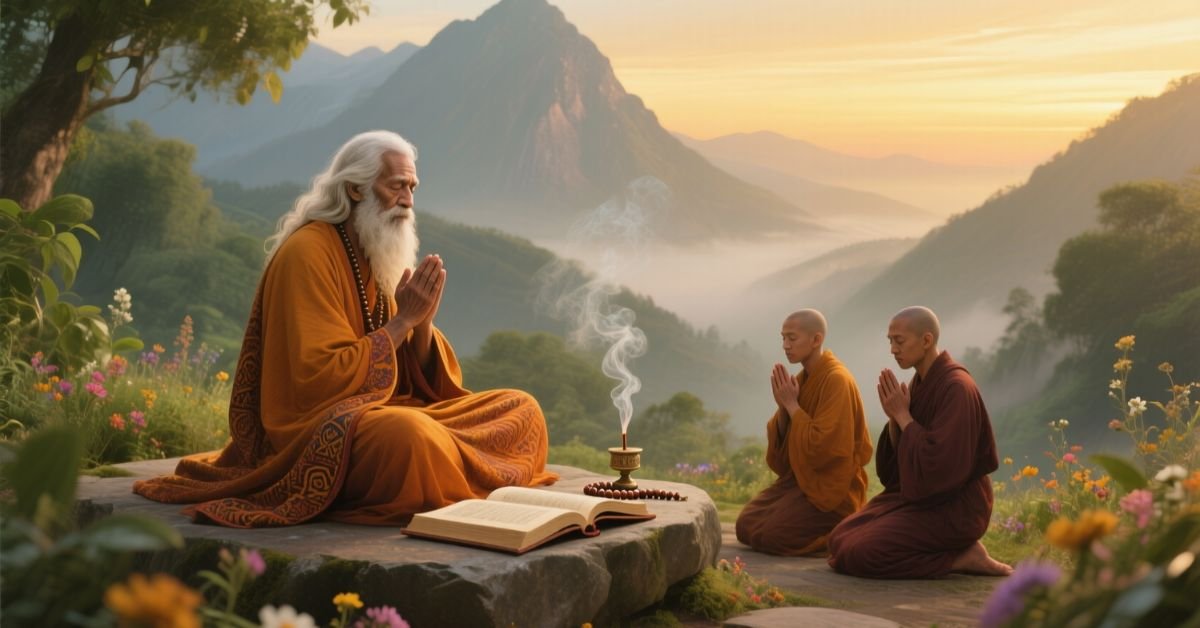
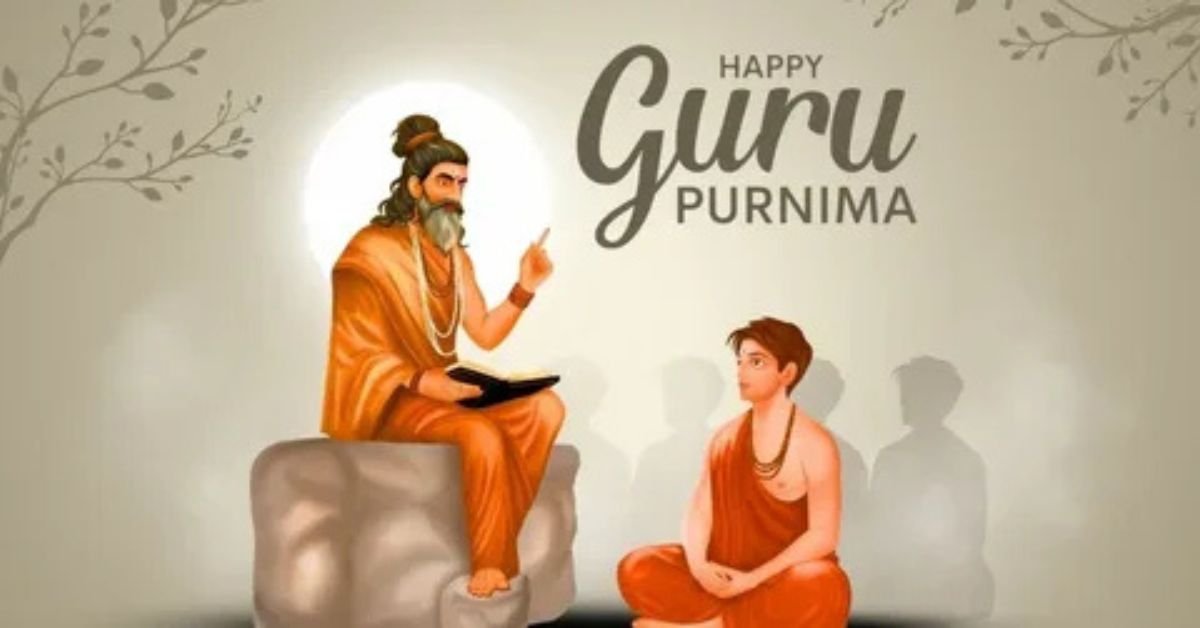
Guru Purnima essay: Guru Purnima is a festival dedicated to honoring teachers and spiritual guides who shape our lives. The word Guru means one who removes darkness and brings light, while Purnima signifies the full moon. This special occasion falls on the full moon day of the Ashadha month in the Hindu calendar. Across India and beyond, people use this day to express gratitude to those who have imparted knowledge, values, and wisdom.
The celebration of Guru Purnima carries deep cultural, spiritual, and educational significance. Observed by Hindus, Buddhists, and Jains, each tradition has its own historical and spiritual connections to the festival. Students, disciples, and followers honor their gurus with love and respect. More than just rituals, Guru Purnima is a reminder of the vital role guidance plays in personal growth and the importance of learning and walking the right path in a world full of distractions.
The Meaning of Guru Purnima
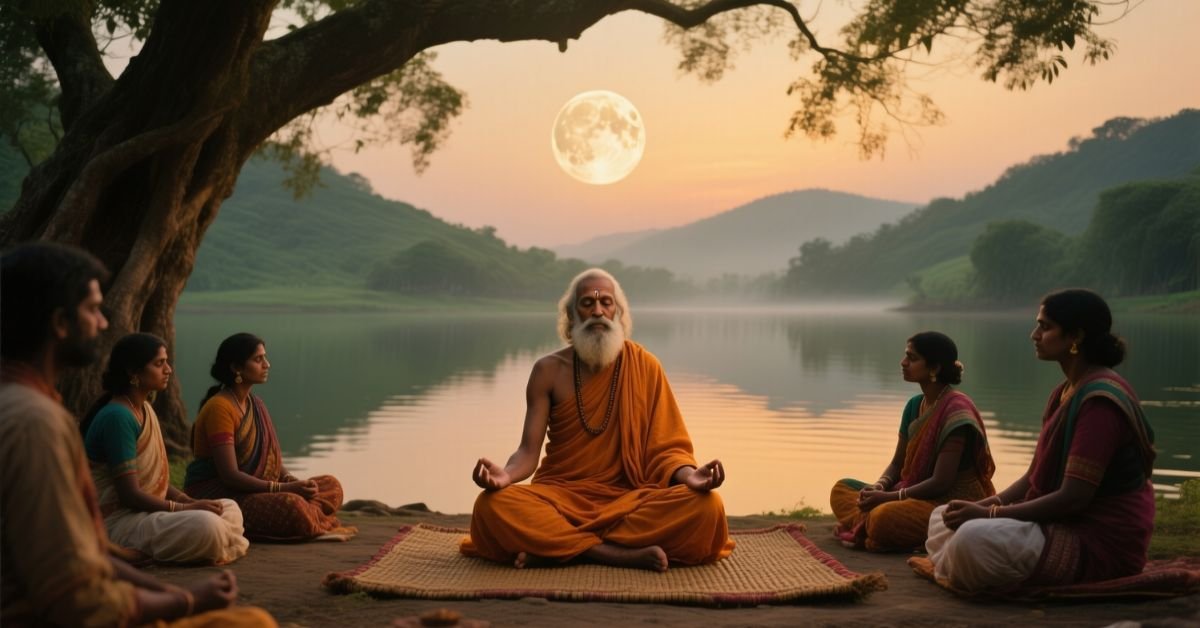
Guru Purnima comes from Sanskrit words that carry deep meaning. The word Guru comes from Gu, meaning darkness, and Ru, meaning light or one who removes darkness.
Is this helpful so far? This means a guru is someone who removes ignorance and helps others see the truth. Purnima means the day of the full moon, which symbolizes completeness, brightness, and fullness of wisdom.
This festival is not only for spiritual leaders but also for teachers in every field. From parents to school teachers, from mentors to life coaches, anyone who guides another towards knowledge can be called a guru. Guru Purnima serves as a reminder that learning is a continuous, lifelong journey. People take this day to reflect on what they have learned and renew their commitment to gaining wisdom. The day also encourages humility because it reminds us that everyone needs guidance at some point in life.
Historical Origins of Guru Purnima
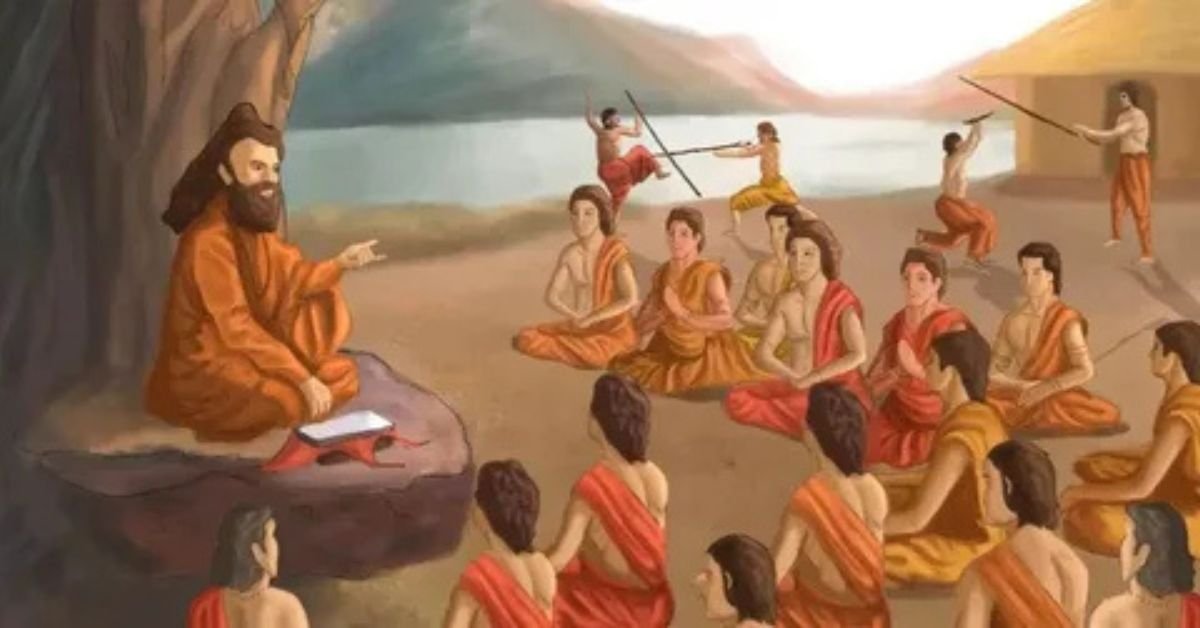
The history of Guru Purnima is rich and connects to several traditions. In Hindu belief, it marks the day when the sage Vyasa, author of the Mahabharata, was born. He is also considered the first guru who organized the Vedas into their present form. For this reason, Guru Purnima is often referred to as Vyasa Purnima. Students and scholars honor him by reading scriptures and discussing his contributions.
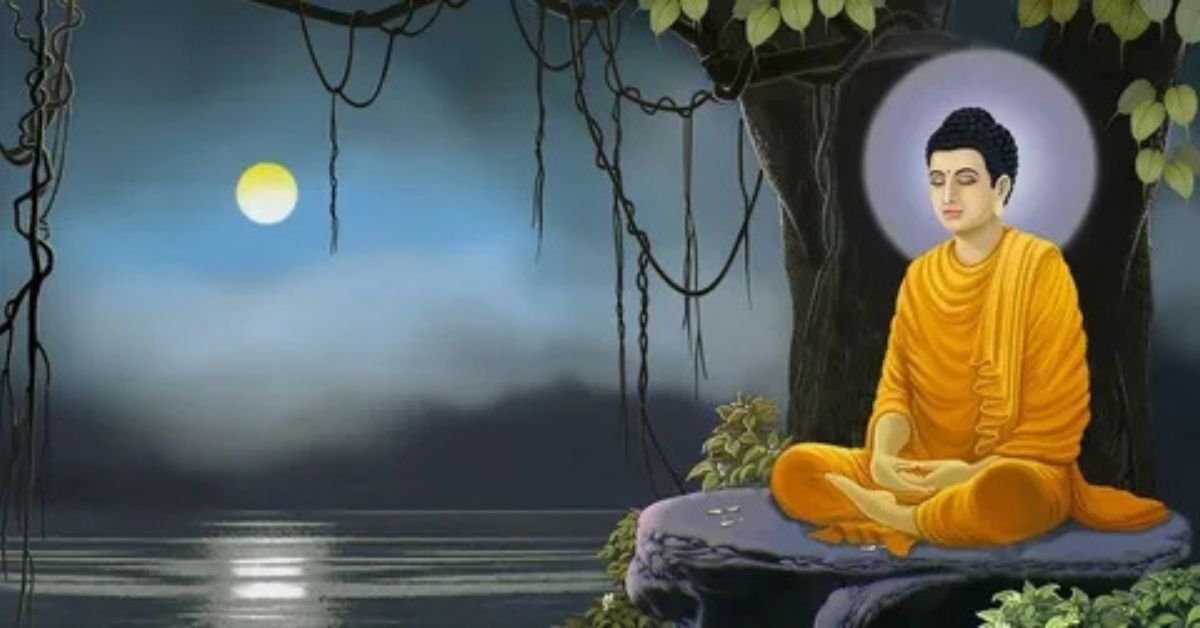
In Buddhist tradition, this is the day when Lord Buddha gave his first sermon at Sarnath after attaining enlightenment. His teachings on the Four Noble Truths and the Eightfold Path started spreading on this day. Buddhists around the world remember this as a moment of sharing wisdom and compassion.
Jain tradition also connects this day with Lord Mahavira. It marks the time when his disciple Gautam Swami achieved enlightenment. This shows that Guru Purnima’s message of learning and spiritual progress goes beyond one religion.
Spiritual Significance of Guru Purnima
The spiritual meaning of Guru Purnima goes deeper than just offering thanks. It is about the bond between a teacher and a student. In many traditions, a guru is considered not only a guide but also a spiritual parent. The teachings of a guru shape a student’s mind and heart, helping them grow in both knowledge and character.
On this day, people meditate, read holy texts, and attend discourses. The goal is to connect with the wisdom of the guru and bring it into daily life. Some people fast as a way to purify their minds and bodies. Others spend the day in quiet reflection, thinking about the lessons they have learned and the path ahead.
The full moon on Guru Purnima also has symbolic meaning. Just as the moon glows by reflecting the sun’s rays, a disciple reflects the knowledge of their guru. This shows that learning is not about ego, but about passing on knowledge for the good of others.
Traditions and Celebrations
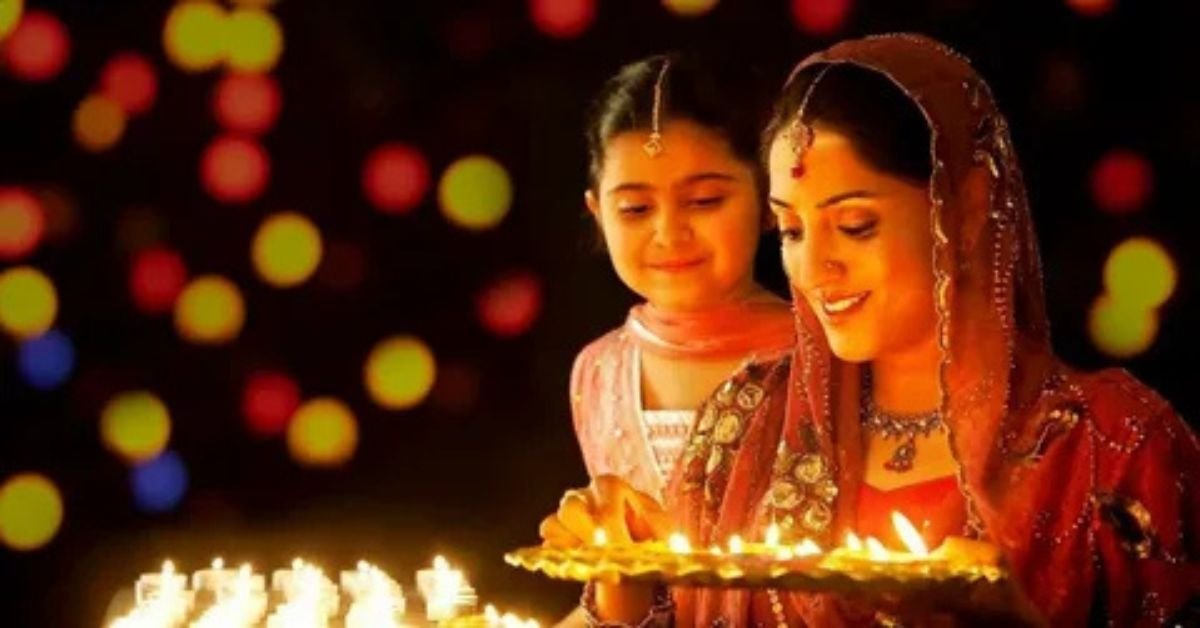
Guru Purnima celebrations vary from place to place, but the heart of the festival is gratitude. Students visit their teachers with gifts, flowers, and sweets. Spiritual followers may offer fruits, clothes, or symbolic items to their gurus. Many schools and institutions hold special functions to honor teachers.
In ashrams and monasteries, the day often starts with prayers and chanting. Devotees attend talks that explore the significance of the bond between guru and disciple. Meditation sessions are common, as they help in focusing on the values taught by the guru. Some people also perform acts of charity, believing that helping others is a way of honoring the guru’s teachings.
A special feature of the day is the Guru Puja, a ritual in which devotees wash the feet of their guru as a sign of respect. This ritual symbolizes humility and the sincere desire to learn. While the methods of celebration may differ, the feeling of respect and love is the same everywhere.
Guru Purnima in Hinduism
In Hinduism, Guru Purnima is deeply connected to the story of Sage Vyasa. People believe that without his efforts, the sacred knowledge of the Vedas would not have been preserved. On this day, temples and spiritual centers organize readings of the Bhagavad Gita, Mahabharata, and Puranas.
Many devotees take part in Satsang. gatherings where spiritual truths are discussed. Some people start new studies or courses on this day, believing it to be an auspicious time for learning. Farmers also look forward to Guru Purnima because it falls during the monsoon, marking the start of a new agricultural cycle. This shows how the festival connects to both spiritual and practical aspects of life.
Guru Purnima in Buddhism
For Buddhists, Guru Purnima is a reminder of the first sermon that Buddha delivered after enlightenment. This sermon, called the Dhammacakkappavattana Sutta, marked the beginning of the Dharma’s spread. Monks and followers spend the day chanting, meditating, and listening to teachings about compassion and mindfulness.
In countries like Thailand, Myanmar, and Sri Lanka, Buddhist temples become centers of celebration. Offerings of food and flowers are made, and acts of kindness are encouraged. Many laypeople spend the day observing moral precepts and practicing generosity. The emphasis is on sharing wisdom and creating a peaceful community.
Guru Purnima in Jainism
In Jain tradition, Guru Purnima holds a special place because it is linked to the life of Lord Mahavira, the 24th Tirthankara. This day commemorates when his principal disciple, Gautam Swami, achieved enlightenment. The occasion is celebrated as a day of honoring the guru-disciple bond and recognizing the path of spiritual progress.
Jains observe Guru Purnima by remembering the teachings of their spiritual leaders. Monks and nuns deliver sermons to help followers deepen their understanding of the scriptures. Laypeople perform charitable acts, donate food to the needy, and spend time in prayer. For many, the day serves as a reminder of the responsibility to live according to the guidance of their spiritual mentors.
The concept of a guru in Jainism is not limited to a single person. It also refers to the collective wisdom passed down by enlightened teachers over centuries. This makes Guru Purnima a celebration of not only individual gurus but also the entire lineage of knowledge.
Modern-Day Relevance of Guru Purnima
In the modern fast-moving world, Guru Purnima holds greater significance than before. With constant access to information, people often confuse knowledge with wisdom. A guru helps bridge this gap by showing how to apply learning in real life. The festival reminds us that true education shapes character, not just the mind.
Modern celebrations of Guru Purnima extend beyond temples and religious gatherings. Schools, colleges, and professional institutions also hold events to honor teachers and mentors. Corporate trainers and life coaches are sometimes recognized on this day for their role in guiding employees.
Social media has also become a space for celebrating Guru Purnima. People post messages, photos, and quotes to thank those who have influenced them. While the methods of expression have changed, the core value of gratitude remains the same.
Global Observance of Guru Purnima
Though Guru Purnima began as an Indian tradition, it has gained global recognition. Indian communities living abroad celebrate it with equal enthusiasm. Temples in countries like the United States, Canada, the UK, and Australia organize special events. These include spiritual talks, meditation workshops, and cultural programs.
In Nepal, Guru Purnima is celebrated in both Hindu and Buddhist communities. Students visit their schools to offer gifts to teachers, and public programs highlight the contributions of great scholars. In Mauritius and Fiji, the festival is part of the cultural calendar, reflecting the influence of Indian heritage.
Online platforms have made it possible for people around the world to join virtual celebrations. Spiritual organizations stream live discourses and group meditations so followers can participate from anywhere. This global reach shows that the values of Guru Purnima are universal and not limited by geography.
The Role of a Guru in Personal Growth
A guru fulfills multiple roles throughout a student’s journey. They are a guide, a mentor, a source of wisdom, and sometimes a friend. Unlike a regular teacher who may focus only on academic knowledge, a guru helps in shaping one’s moral and spiritual foundation.
The guidance of a guru can help a person overcome challenges, make better decisions, and live a purposeful life guru provides not only answers but also helps develop critical and independent thinking skills. The lessons learned from a guru often stay with a person for life, influencing their thoughts and actions.
On Guru Purnima, reflecting on these lessons helps reinforce their importance. Many people write letters or messages to their mentors, sharing how their teachings have made a difference. This exchange of gratitude strengthens the bond between teacher and student.
How Guru Purnima is Celebrated Today

Modern celebrations of Guru Purnima blend traditional customs with contemporary practices. In educational institutions, students organize cultural programs, speeches, and musical performances to honor teachers. Awards and certificates are sometimes given to outstanding educators.
In spiritual communities, the day often begins with early morning prayers and offerings. Devotees may bring fruits, flowers, or symbolic gifts to their gurus. Some people choose to fast or eat simple meals as a form of discipline.
Meditation and yoga sessions are also common, especially in ashrams and wellness centers. These activities help people connect with themselves and their spiritual goals. Acts of service, such as volunteering at community kitchens or helping the less fortunate, are considered valuable ways of honoring the guru’s teachings.
Table: Guru Purnima Across Different Traditions
| Tradition | Historical Connection | Key Practices | Main Message |
|---|---|---|---|
| Hinduism | Birth of Sage Vyasa | Reading scriptures, Guru Puja, satsang | Respect for spiritual and academic teachers |
| Buddhism | Buddha’s first sermon | Meditation, chanting, acts of kindness | Spread of wisdom and compassion |
| Jainism | Enlightenment of Gautam Swami | Sermons, charity, prayer | Spiritual progress through guidance |
| Modern Life | Honoring all mentors | Cultural programs, online tributes | Gratitude to all who guide us |
Lessons from Guru Purnima for Everyday Life
Guru Purnima is more than just a one-day celebration. It offers lessons that can be applied every day. The first is gratitude. Recognizing the efforts of those who guide us helps keep our hearts humble and our minds open. The second is lifelong learning. A guru’s wisdom reminds us that education does not end with formal schooling.
Another important lesson is service. By helping others and sharing knowledge, we honor the guru’s teachings. This creates a cycle where learning and kindness continue to grow. Ultimately, self-discipline stands as a central teaching of Guru Purnima. Whether through fasting, meditation, or simply dedicating time to study, discipline strengthens both the mind and spirit.
Guru Purnima Quotes to Inspire
Many great thinkers and spiritual leaders have spoken about the value of a guru. While the words may differ, the message is always the same: a guru is a guiding light. Quotes about Guru Purnima often highlight respect, devotion, and the joy of learning. Sharing such quotes on this day can spread positivity and remind others of the festival’s significance.
Conclusion
Guru Purnima is not just a festival but an enduring reminder of the importance of guidance, wisdom, and thankfulness. Across cultures and religions, it unites people in honoring those who shape their lives through knowledge and moral support. Be it a spiritual guide, a school teacher, a parent, or a mentor in any area, Guru Purnima emphasizes acknowledging their contribution to our development.
In today’s world, where information is abundant but true wisdom is rare, the teachings of a guru are even more important. By celebrating this day, we not only pay respect to our teachers but also renew our commitment to learning and living with purpose. Let Guru Purnima inspire us to carry forward the light of knowledge, just as our gurus have done for us.
FAQs:
Q1: Why is Guru Purnima celebrated?
Guru Purnima is celebrated to honor teachers and spiritual guides who remove ignorance and bring wisdom, knowledge, and guidance into our lives.
Q2: When does Guru Purnima occur each year?
It falls on the full moon day of the Hindu month of Ashadha, typically between June and July.
Q3: Is Guru Purnima a religious or cultural festival?
It is both. While it has roots in Hinduism, Buddhism, and Jainism, its core message of gratitude and respect for mentors is universal.
Q4: How can I celebrate Guru Purnima if I am not religious?
You can honor your mentors, write messages of appreciation, engage in learning, or perform acts of kindness to celebrate the spirit of the day.
Q5: What is the central teaching of Guru Purnima?
The main lesson is to value guidance, continue learning, and live a life of gratitude.

Aoon Abbas is an experienced SEO expert dedicated to helping businesses grow through data-driven strategies, keyword optimization, and effective digital marketing.




Leave a Reply