

Introduction:
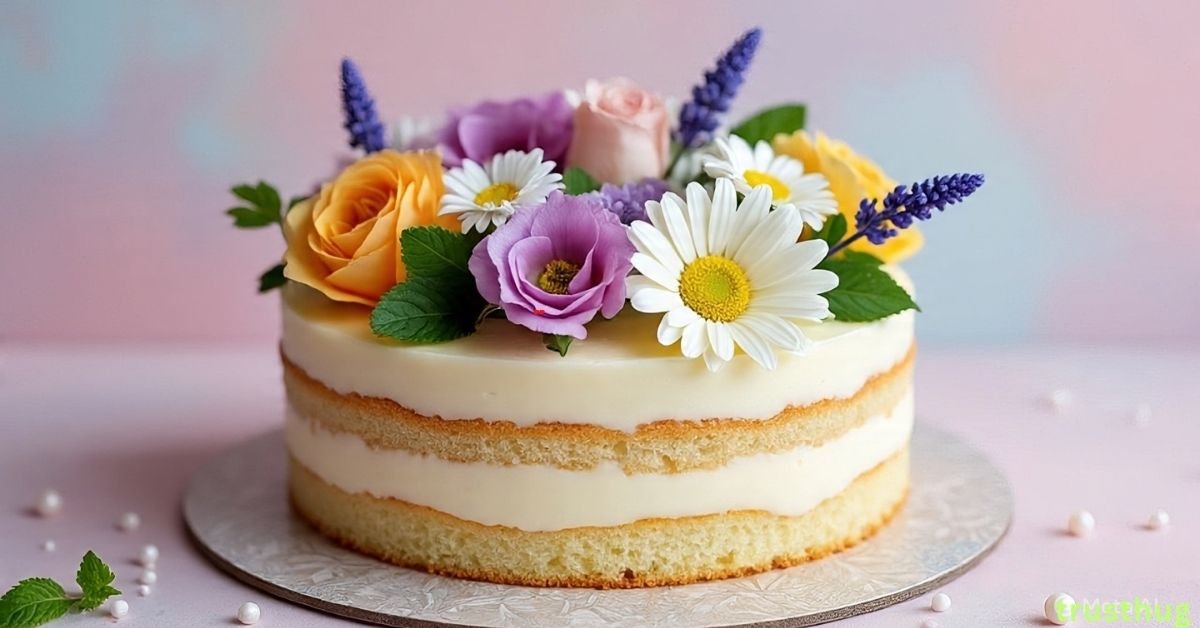
Edible flowers have become an increasingly popular choice for decorating birthday cakes, adding both natural beauty and a touch of elegance to any celebration. Birthday Cake Edible Flowers not only enhance the visual appeal of a cake but also introduce subtle, aromatic flavors that make each bite even more enjoyable. Whether you’re hosting a sophisticated gathering or a fun-filled birthday party, edible flowers offer a uniquely personal way to elevate your cake’s design.
With their vibrant colors and intricate textures, they can transform an ordinary cake into a stunning centerpiece.In this article, we’ll explore creative ways to use edible flowers on birthday cakes, highlight the best flower varieties to choose from, and guide you through the proper preparation techniques to ensure they are safe and ready for decoration.
What Are Edible Flowers?
- Edible flowers are grown specifically for use in food, ensuring they are safe for consumption.
- They are used in various cuisines to add color, texture, and flavor.
- Not every flower is safe for consumption, making it important to select the right varieties.
- Flowers like violets, pansies, and marigolds are commonly used in cakes.
- They should be free of pesticides and other harmful chemicals.
- Choosing organic flowers is the ideal option for cake decoration.
- Some edible flowers are used for their mild flavors, while others are for aesthetic appeal.
- Edible flowers can be used fresh or preserved for cake decoration.
- They can be found at specialty markets or grown at home.
- Always ensure you know the specific flowers you’re using are food-safe.
Why Use Edible Flowers on Birthday Cakes?
- Aesthetic Appeal: Edible flowers add elegance and sophistication to your birthday cake.
- Unique Decoration: Flowers offer a fresh, natural decoration style compared to traditional cake toppers.
- Flavor Enhancement: Certain flowers, such as lavender and rose, add a unique flavor to the cake.
- Versatility: Flowers come in various colors and shapes, allowing customization for any theme.
- Symbolic Meaning: Flowers can carry meanings, adding sentimental value to your cake.
- Eco-Friendly: Using flowers from your garden or organic sources reduces environmental impact.
- Natural Ingredients: They provide a fresh, natural look compared to artificial decorations.
- Seasonal Appeal: Flowers can align with the seasons, creating a timely and beautiful look.
- Customization: Edible flowers can match the color palette and design of your cake.
- Celebrity Trend: Many high-end bakeries and celebrities use edible flowers on cakes, making them a trendy choice.
How to Prepare Edible Flowers for Cake Decoration
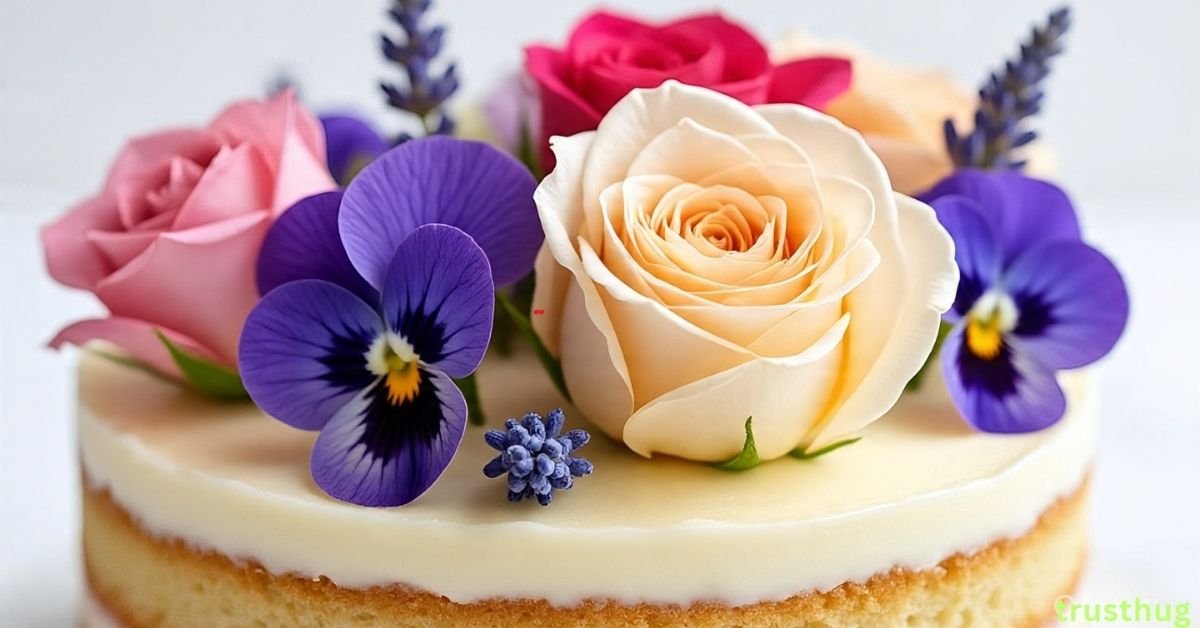
- Choose Organic Flowers: Always choose flowers that are grown organically and free from chemicals.
- Wash Thoroughly: Rinse the flowers gently to remove dirt, bugs, and pesticides.
- Remove Stems and Leaves: Only the petals are edible, so remove any non-edible parts.
- Dry Properly: Pat the flowers dry with a paper towel to avoid excess moisture.
- Refrigerate for Freshness: Store flowers in a cool place to maintain freshness until you’re ready to use them.
- Pick Flowers in the Morning: Flowers are usually freshest in the morning when they’re fully hydrated.
- Use Edible Glue: If needed, use a food-safe glue to secure the flowers to the cake.
- Check for Allergies: Be mindful of any allergies your guests may have to specific flowers.
- Remove Pollen: Pollen can cause staining or unwanted flavors, so carefully remove it.
- Ensure Freshness: Use flowers on the same day to maintain their beauty and freshness.
Best Edible Flowers for Birthday Cakes
- Pansies: Bright, colorful flowers that offer a mild, sweet flavor.
- Violets: Known for their delicate, fragrant taste and soft purple hue.
- Roses: Classic flowers, perfect for adding elegance and a fragrant flavor.
- Lavender: Imparts a calming, floral fragrance and a light taste to cakes.
Marigolds: These vibrant yellow and orange blooms bring a mild, peppery flavor.
Dandelions: Their bright, cheerful appearance adds a sweet, honey-like taste. - Chrysanthemums: These vibrant flowers bring color and a slightly peppery taste.
- Nasturtiums: Bold, spicy-flavored flowers, ideal for contrasting sweet cakes.
- Calendula: Bright yellow or orange, they offer a tangy flavor.
- Borage: These star-shaped flowers are mildly cucumber-flavored.
How to Use Edible Flowers on Cakes
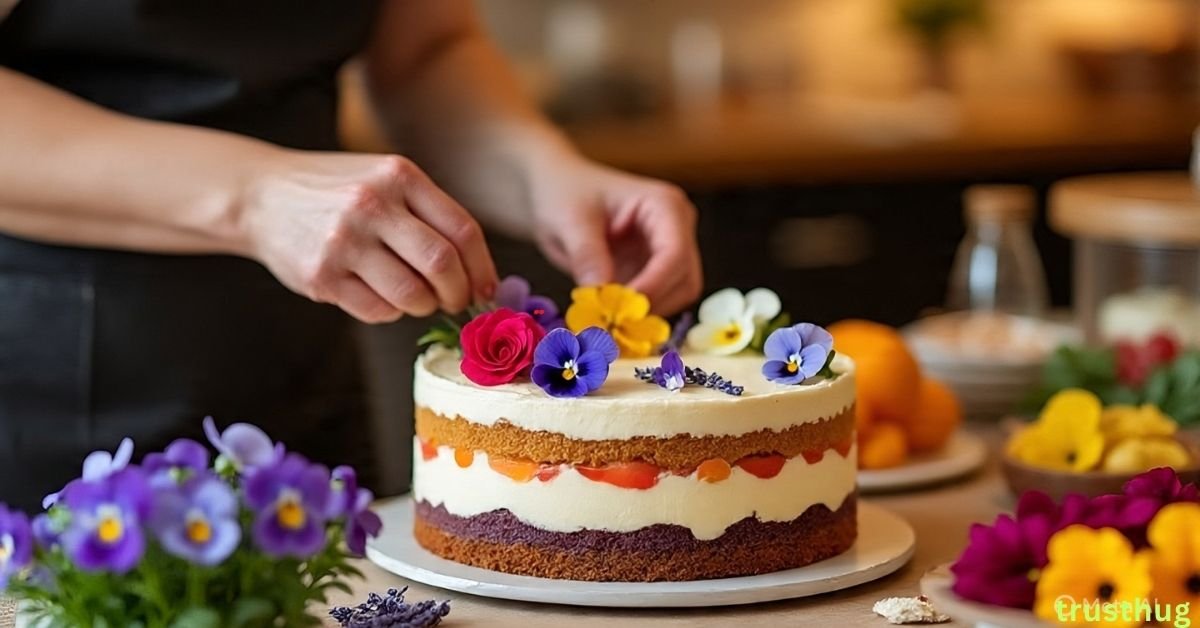
- Cake Topper: Place the flowers on top of the cake for a simple yet elegant look.
- Around the Edges: Create a border around the cake using smaller flowers.
- As a centerpiece, gather the flowers in the middle of the cake to create a striking focal point.
- Infused into the Cake: Some flowers, like lavender, can be infused into the cake batter or frosting.
- Frozen Flowers: Freeze flowers in ice cubes and place them on top of the cake for a unique, frosty look.
- Edible Flower Petals: Sprinkle petals over the cake or mix them into the frosting for added texture.
- Cake Layers: Place flowers between the layers of a multi-tier cake for a surprise element.
- Use Edible Flower Ice Cubes: Freeze flowers in ice cubes and serve them with drinks alongside the cake.
- Floral Confetti: Dry the flowers and crush them into small pieces for a subtle confetti effect.
- Flower-Infused Syrups: Create syrups from edible flowers to drizzle over cakes for added flavor.
How to Store Cakes with Edible Flowers
- Refrigerate the Cake: Store cakes with edible flowers in a cool environment to preserve the flowers’ freshness.
- Cover the Cake: If not serving immediately, cover the cake to protect the flowers from wilting.
- Avoid Excess Moisture: Excess moisture can cause flowers to wilt quickly, so ensure proper storage.
- Use Within a Day: It’s best to consume cakes with edible flowers within a day to enjoy their full beauty and flavor.
- Don’t Freeze: Freezing can damage the flowers and their aesthetic appearance.
- Protect the Cake’s Texture: If transporting the cake, cover it carefully to prevent flower damage.
- Refrigeration Tips: Place the cake in a box or under a dome for protection in the fridge.
- Allow Cake to Warm Slightly: Before serving, let the cake sit at room temperature for a few minutes.
- Check for Wilted Flowers: Remove any flowers that have wilted before serving the cake.
Creative Ideas for Using Edible Flowers on Cakes
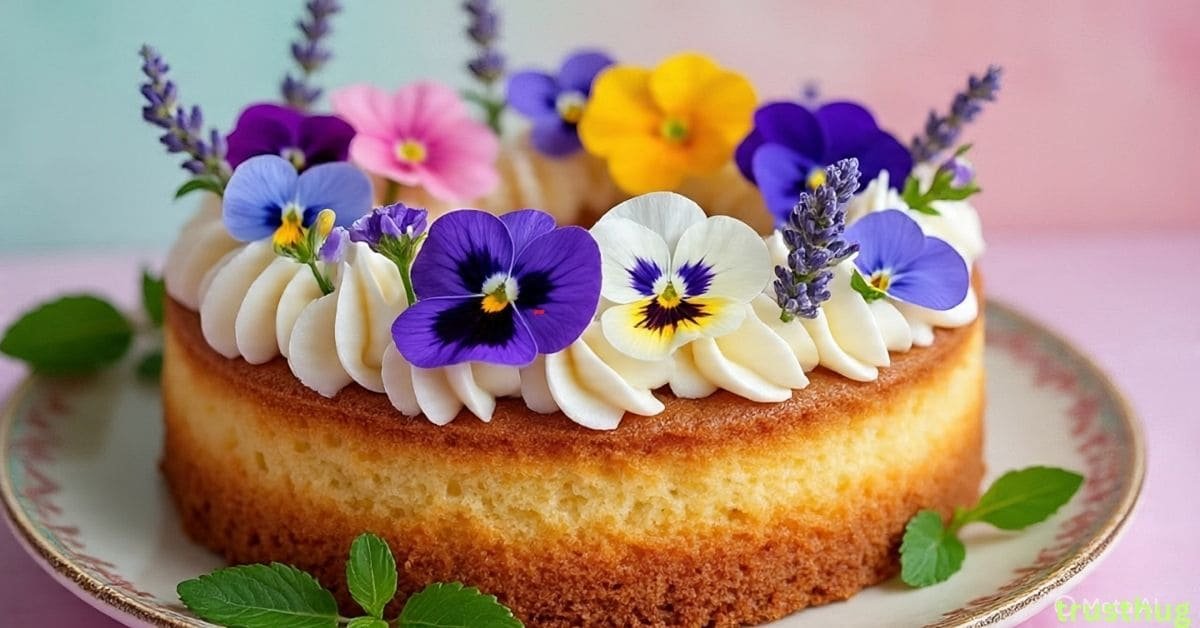
- Wedding Cakes: Add a touch of elegance with roses or orchids for a beautiful, romantic look.
- Spring-Themed Cakes: Use daisies, violets, or primroses for a cheerful, seasonal cake.
- Vintage Cakes: Incorporate soft-colored flowers like lavender and pastel roses for a vintage look.
- Themed Cakes: Match the flowers to the theme, such as sunflowers for a rustic birthday cake.
- Garden Party Cakes: Use a mix of wildflowers like calendulas, daisies, and pansies for a garden-inspired cake.
- Minimalistic Cakes: A simple white cake with a few delicate edible flowers creates a minimalist yet stunning design.
- Birthday Cake Surprises: Add a hidden edible flower layer inside the cake for a surprise.
- Cupcakes: Decorate cupcakes with a single edible flower for individual servings.
- Floral and Fruit Cakes: Pair edible flowers with fresh fruits like berries for a refreshing combination.
- Bespoke Flower Cake: Use flowers that represent the personality of the birthday person, such as favorite flowers or colors.
Safety Tips for Using Edible Flowers
- Verify Edibility: Always check if the flowers are indeed safe to eat.
- Avoid Wild Flowers: Some wild flowers can be toxic, so never use flowers from the wild without proper knowledge.
- Buy from Trusted Sources: Purchase edible flowers from reliable markets or nurseries.
- Allergen Awareness: Be cautious of guests who may have allergies to certain flowers.
- Organic Sourcing: Choose flowers from organic sources to avoid chemicals or pesticides.
- Handling: Handle flowers gently to avoid bruising or damage.
- Pollen-Free: Remove any visible pollen from flowers to avoid unwanted stains or flavor changes.
- Consult a Professional: If unsure, consult a professional baker or florist to ensure safe flower usage.
- Research: Research specific flowers to know their flavors, appearance, and compatibility with cake types.
Conclusion:
Incorporating edible flowers into your birthday cake not only adds a touch of elegance but also enhances its overall flavor, creating a memorable experience for your guests. With so many beautiful and safe options available, you can easily customize your cake to reflect your unique style and theme. Whether you choose roses for a romantic aesthetic or marigolds for a vibrant pop of color, edible flowers offer a versatile and sustainable decorating choice. Just remember to use organic, pesticide-free flowers and follow proper preparation methods. With the right selection and care, you can transform any birthday cake into a stunning and flavorful masterpiece.
FAQs:
1. Are edible flowers safe for all cakes?
Yes as long as the flowers are properly prepared and selected from safe, edible varieties, they are suitable for all types of cakes.
2. How do I store leftover flowers for future cakes?
Store leftover edible flowers in a cool, dry place. You can also freeze them to keep them fresh for later use.
3. Can I use wildflowers on cakes?
Use wildflowers only if you are completely sure they are safe to eat, as many wild varieties can be toxic.
4. How do I prevent edible flowers from wilting on a cake?
Keep the cake refrigerated until serving time and avoid exposing the flowers to excess moisture.
5. Can I dry edible flowers for use in cake decoration?
Yes, edible flowers can be carefully dried and used as decorative elements on cakes.

Aoon Abbas is an experienced SEO expert dedicated to helping businesses grow through data-driven strategies, keyword optimization, and effective digital marketing.