

Introduction:
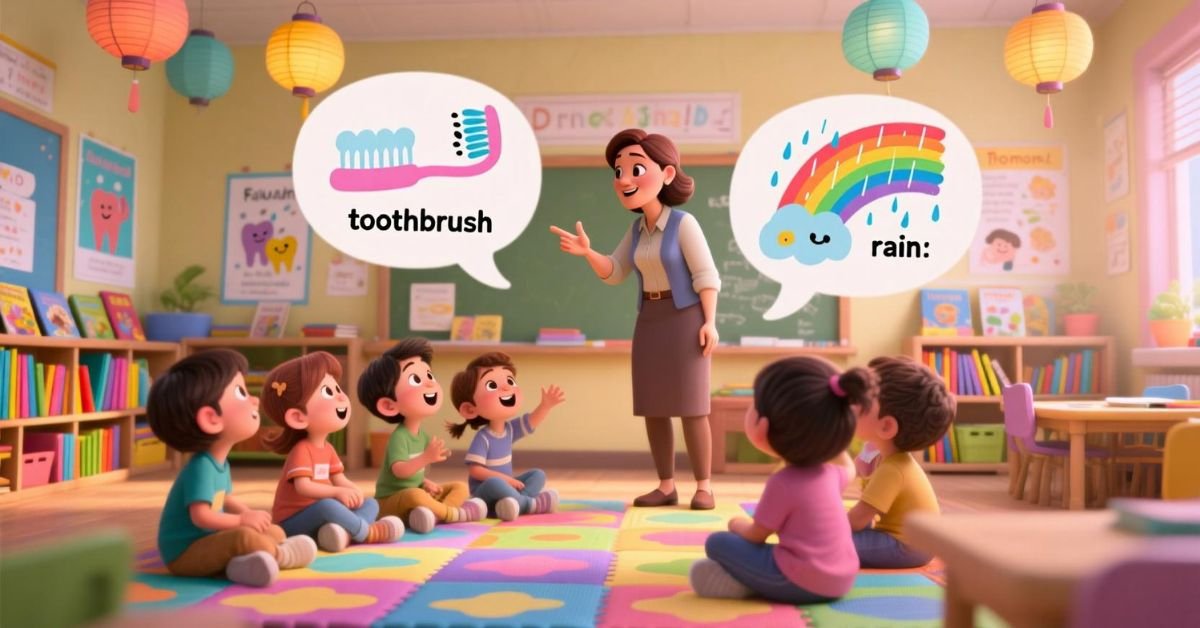
Learning new words is exciting for children, especially when they can build them from words they already know. Compound Words for Kids are formed when two smaller words combine to create a new meaning. For example, rain and bow join to become rainbow, blending the ideas of both words in a way that makes sense. Understanding compound words helps children expand their vocabulary and break down longer words into familiar parts, boosting their reading confidence.
This guide explores the different types of compound words, why they matter, and effective ways to teach them. It also includes fun activities, examples, and games that make learning engaging and practical, helping children use these words in stories, books, and everyday conversations.
Types of Compound Words for Kids
Closed Compound Words for Kids
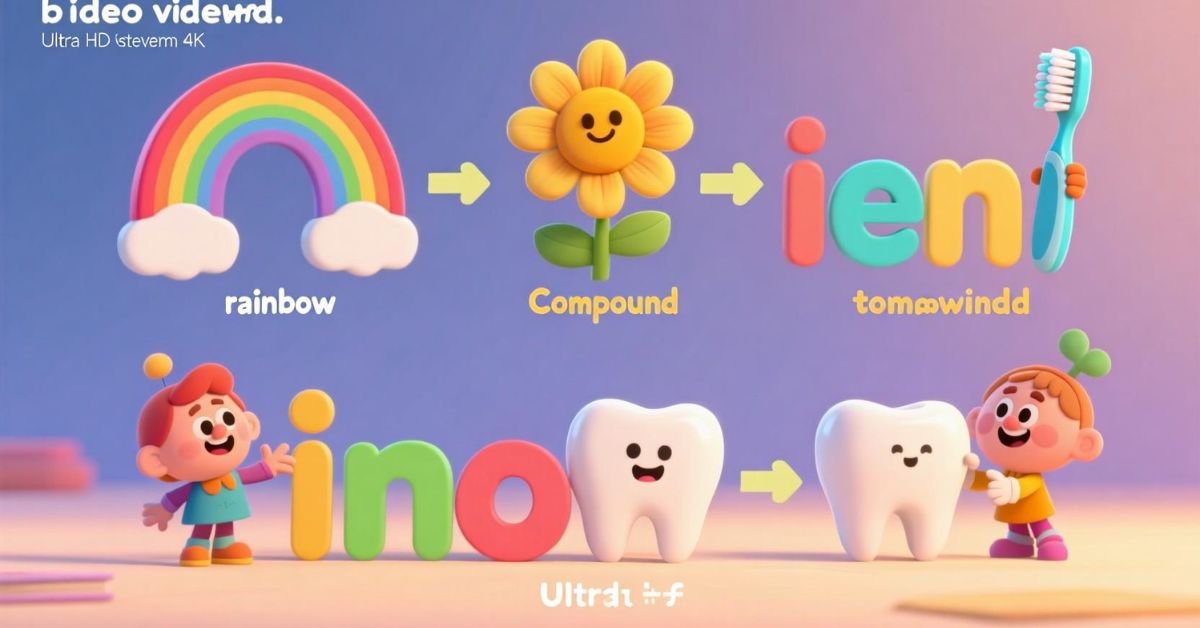
Closed compound words appear as one complete word without any spaces or hyphens. For example, words like notebook, basketball, and toothbrush are closed compound words. They join two separate words into one longer word that carries a clear meaning.
Kids often find these words easier to read because there are no spaces to confuse them. They can sound them out smoothly from start to finish. Closed compound words are common in children’s books, making them great for early reading practice.
When teaching closed compound words, start with familiar examples. You can show children how a cup and a cake become a cupcake. This simple process helps them understand how meanings combine. Using colorful flashcards or picture books keeps learning fun and memorable. Over time, children will spot these words in their reading and enjoy recognizing them.
Open Compound Words for Kids
Open compound words have a space separating the two smaller words. Examples include ice cream, the post office, and the full moon. Even though there is a space, the two words together act as one unit with a specific meaning.
These words can be slightly harder for kids to identify because they look like two separate words. To help, use clear examples and pictures that show the combined meaning. For example, a photo of ice cream cones next to the words ice cream helps kids connect the idea.
Practice can involve asking children to match pictures with their open compound word labels. This visual connection makes it easier to remember. You can also read short sentences that use open compound words, so kids see how they fit naturally into language. With time, they will understand that the meaning comes from both words working together.
Hyphenated Compound Words for Kids
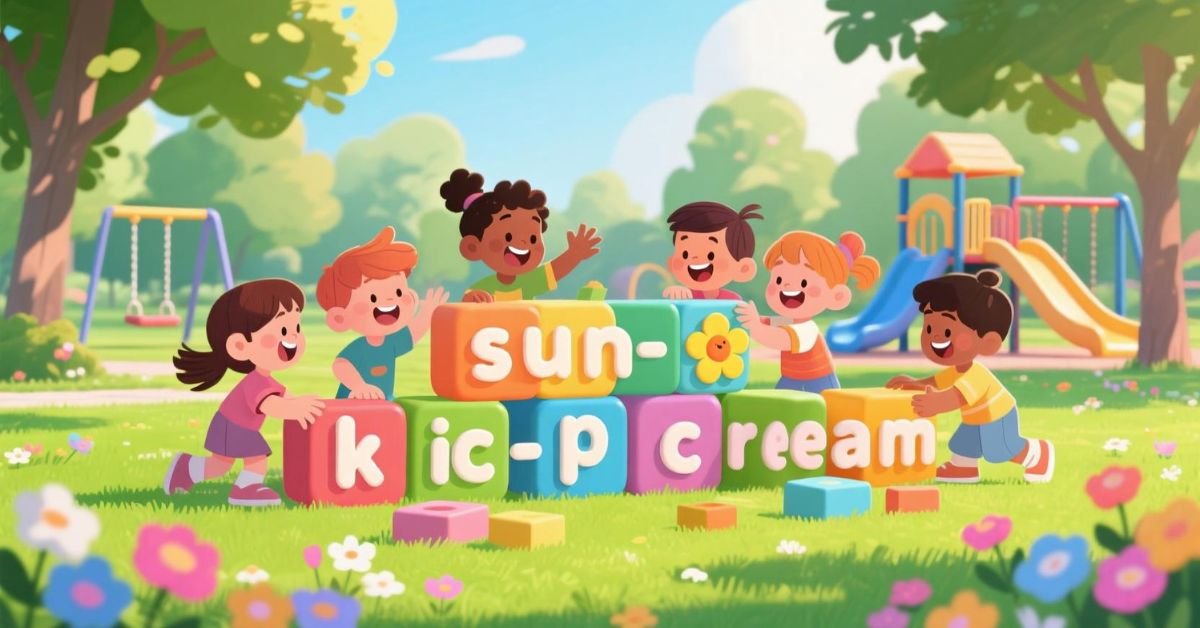
A hyphenated compound word uses a hyphen to join the smaller words. Examples include mother-in-law, well-being, and twenty-one. These words appear less often in early reading materials but are still important to learn.
The hyphen helps show that the words belong together. Kids might see these in books or signs, and understanding them builds stronger reading skills. To teach hyphenated compound words, start with simple ones that children may already know, like merry-go-round.
You can make the lesson fun by using puzzles where each piece has part of the word. When kids match them, they see how the hyphen holds the parts together. By learning these words early, children gain confidence when they encounter them in more advanced reading later on.
Why Learning Compound Words for Kids Matters
Learning compound words for kids is more than just a fun activity. It plays a big role in helping children grow as readers and writers. When kids learn compound words, they start to understand how smaller words can join to create a completely new meaning. This builds problem-solving skills because they figure out how meanings change when words combine.
Compound words also help with spelling. When a child learns the smaller words in a compound word, spelling becomes simpler. For example, if they can spell sun and flower, spelling sunflower feels simple. This boosts confidence and encourages them to try more challenging words.
Reading skills improve, too. Kids can read compound words more fluently when they recognize the smaller parts. This skill makes reading long sentences smoother. Vocabulary growth is another benefit because compound words often describe everyday objects or actions children already know. The more they practice, the more they enjoy discovering new words in books, signs, and conversations.
How to Teach Compound Words for Kids
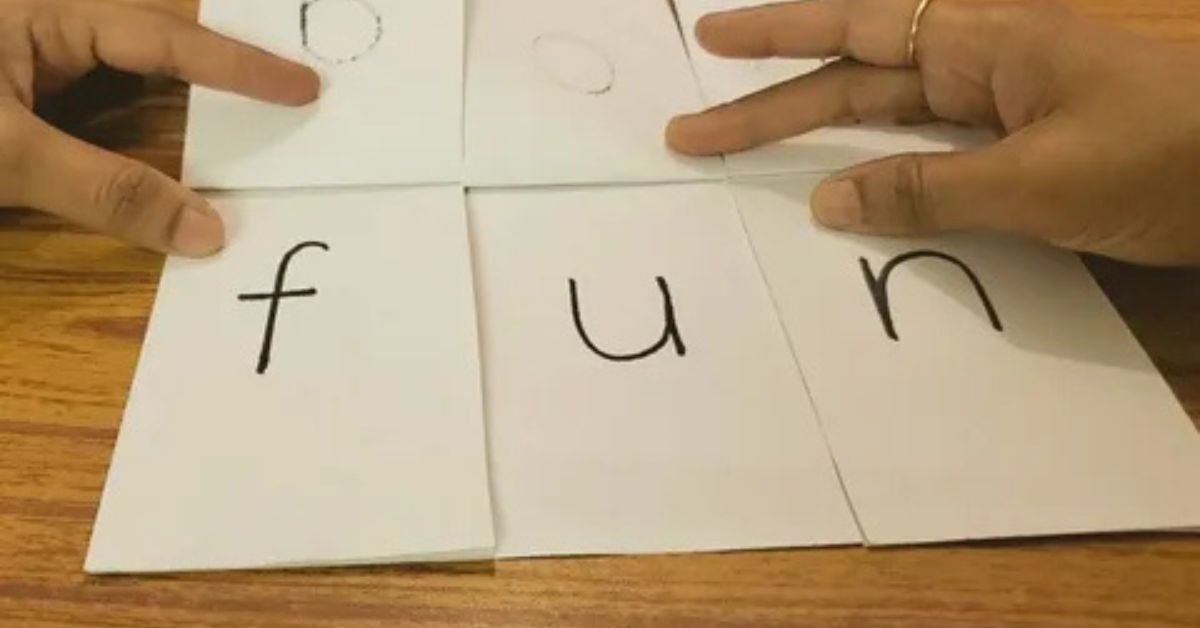
Teaching compound words for kids works best when lessons are active and hands-on. Begin with words that children often see or hear in daily life. Show the meaning clearly by using pictures, flashcards, or real objects. For example, show a picture of a mailbox and explain how mail and box join together to create the word mailbox.
You can make lessons interactive by asking children to guess new words. Write rain on one card and coat on another. Then let the child put them together to form a raincoat. This simple game keeps them engaged while helping them learn.
Reading aloud from books that include many compound words is another great approach. Pause when you see one and ask the child to find the smaller words inside it. Practice writing these words, too. Kids remember better when they read, speak, and write the words. Keep sessions short, fun, and consistent, so learning becomes a natural part of their daily routine.
Examples of Common Compound Words for Kids
Here’s a helpful table with examples of closed, open, and hyphenated compound words for kids. Using this format makes it easier for children to see the differences.
| Type of Compound Word | Example 1 | Example 2 | Example 3 |
|---|---|---|---|
| Closed | notebook | toothbrush | cupcake |
| Open | ice cream | post office | full moon |
| Hyphenated | merry-go-round | mother-in-law | well-being |
Seeing these examples side by side helps children notice patterns. Teachers and parents can use these in matching games, reading practice, and writing exercises. You can also make illustrated flashcards for each word to make learning more visual and engaging.
Fun Games to Learn Compound Words for Kids

Games make learning compound words for kids exciting. One popular game is Compound Word Match. In this activity, you place cards with separate words face down. Children flip two cards at a time to see if they make a real compound word, like star and fish.
Another game is Picture-Word Match. Show pictures of compound words and have kids find the correct written label. For example, they might see a picture of a toothbrush and match it with the word toothbrush. This visual link makes the meaning stick.
You can also play Create Your Word. Give kids a list of words like rain, snow, cake, and coat. Let them mix and match to form real or silly compound words. Even when they make funny combinations, they learn how word parts work together. These games turn learning into playtime, which encourages more practice without feeling like homework.
Creative Writing with Compound Words for Kids
Creative writing is one of the best ways to help children use compound words for kids in real sentences. When kids create short stories or poems, they have the freedom to choose words they like. This makes learning more personal and enjoyable. For example, they might write about a snowman building a sandcastle on a sunny day. The silly combination keeps them entertained while using real compound words.
You can start by giving them a list of ten compound words and asking them to use each one in a sentence. For younger children, you might encourage drawing pictures to go with the sentences. For example, if they write The football rolled into the backyard, they can draw the football and the backyard.
Teachers can create group writing activities where each child adds one sentence to a story. This not only makes learning compound words fun but also improves teamwork skills. Over time, these activities will strengthen reading, spelling, and creativity while making compound words a natural part of their vocabulary.
Challenges Kids Face When Learning Compound Words

While learning compound words for kids can be fun, some challenges may appear. One common issue is that children might think the smaller words always keep their original meanings. For example, they may think butterfly means butter
Plus, fly, rather than understanding it as the name of an insect.
Another challenge is spelling. Even if children can read a compound word, they might still forget how to spell it. This often happens with longer or more unusual words. In these cases, practice through writing activities is helpful.
Some children also struggle to identify open compound words because of the space between the two parts. They may read each part separately without understanding that the meaning comes from both words together. Teachers and parents can solve this by using clear examples, visuals, and consistent practice. Encouragement and patience are key, so children feel confident even when mistakes happen.
Compound Words for Kids by Grade Level
Here is a table that shows examples of compound words suitable for different grade levels. This helps teachers and parents choose age-appropriate words for learning.
| Grade Level | Simple Words | Medium Words | Advanced Words |
|---|---|---|---|
| Kindergarten | sunflower, cupcake | bedtime, playground | basketball |
| Grade 1 | snowman, rainbow | mailbox, weekend | footprint |
| Grade 2 | football, toothpaste | homework, haircut | newspaper |
| Grade 3+ | firefly, goldfish | swimming pool, water bottle | merry-go-round |
This approach helps children learn at a pace that suits them best. Starting with familiar objects makes it easier for them to understand the concept before moving to more complex examples. Parents can review words regularly and add new ones once children are comfortable with the current list.
Conclusion
Teaching compound words helps children expand their vocabulary, improve reading, and strengthen spelling. By combining smaller words into new meanings, kids gain an important tool for language learning. This approach builds confidence and makes reading and writing more enjoyable.
Using games, stories, and everyday examples makes learning fun and memorable. Tools like flashcards and creative activities keep children engaged and motivated. With regular practice, kids begin noticing compound words everywhere and use them confidently in both speech and writing.
FAQs:
1. What are compound words for kids?
Compound words are created when two smaller words join to form a new meaning. Examples include sunflower and ice cream.
2. How can I teach compound words in a fun way?
Incorporate games, picture matching, flashcards, and creative writing activities to make learning compound words engaging and memorable.
3. What are some simple examples of compound words for kids?
Some easy examples are snowman, cupcake, rainbow, football, and toothbrush.
4. At what age should kids start learning compound words?
Children can start with simple compound words in kindergarten, gradually learning more complex words in higher grades.
5. How can I help my child remember compound words?
Practice regularly through reading, writing, and interactive games. Using pictures and real-life examples helps children connect words to their meanings.

Aoon Abbas is an experienced SEO expert dedicated to helping businesses grow through data-driven strategies, keyword optimization, and effective digital marketing.