


Introduction
Funny stories for kids bring laughter, ignite imagination, and create memorable moments between readers and listeners. When a story makes children giggle, it sticks with them long after reading. These tales do more than entertain—they encourage creativity, improve reading skills, and help young minds explore emotions in a lighthearted way.
Humor in a story can turn an ordinary day into a joyful experience. From talking animals to magical mishaps or silly confusions, funny moments add a special charm to storytelling. This guide shares original stories, explains the benefits of humor, and offers tips to make storytime engaging and unforgettable for children.
The Magic of Humor in Children’s Stories
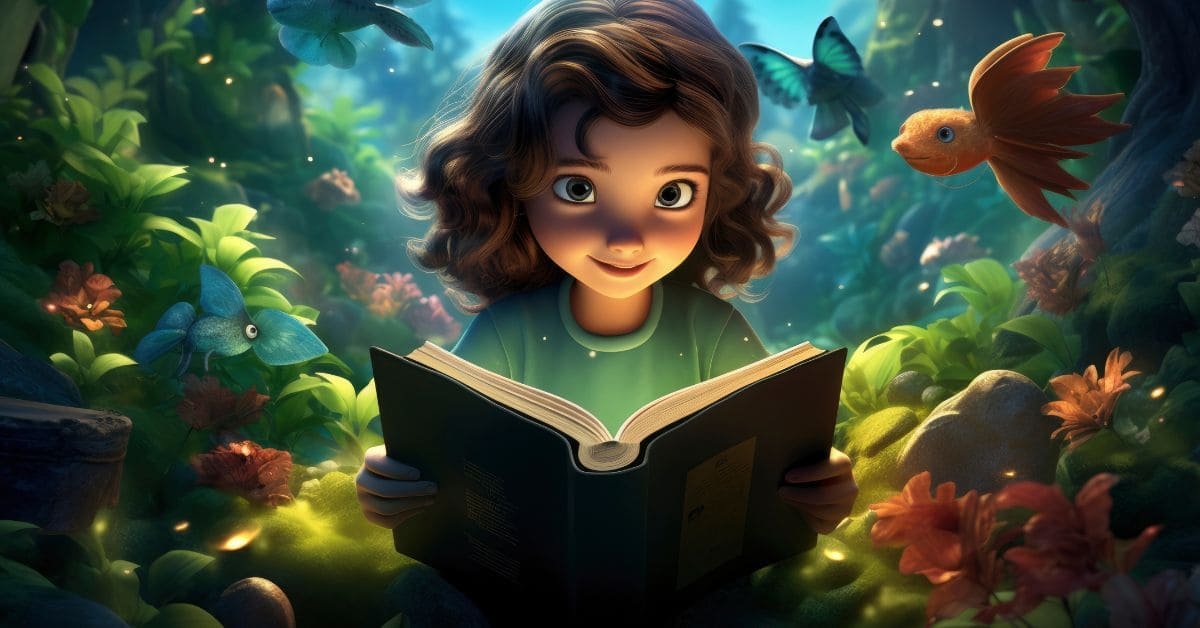
Humor is a universal language that even young children understand. When kids hear or read a funny line, their brains release feel-good chemicals. This makes them more receptive to learning. Funny stories also help them develop language skills. They pick up new words, understand puns, and learn about playful language. In funny short stories for kids, humor often appears in character behavior, surprising events, or wordplay. A clever twist keeps them guessing, while a silly moment makes them laugh out loud. This combination strengthens both comprehension and creativity. A child who laughs while reading often becomes a lifelong reader.
Why Kids Love Funny Stories
Children love stories that surprise them. Funny tales often break everyday rules in ways that feel safe. A dog that wears sunglasses or a cat that runs a bakery sparks curiosity. Kids feel connected to characters who make mistakes, get into trouble, and find silly solutions. In funny short stories for kids, humor can come from clumsy heroes, exaggerated situations, or magical objects. These elements encourage children to imagine beyond the ordinary. They laugh at the absurdity, but also learn problem-solving skills. Parents notice that kids request the same funny stories again and again because they love reliving the laughter.
Benefits of Funny Short Stories for Kids

Funny stories are more than entertainment. They improve mood, reduce stress, and strengthen family bonds. Reading together creates shared moments of joy. Humor also teaches resilience. When children see characters laugh in tricky situations, they learn not to fear mistakes. Laughter builds confidence and social skills. Kids feel more comfortable speaking, asking questions, and sharing ideas. Funny stories also improve listening skills. Children pay close attention so they don’t miss a punchline or a joke. In the long run, humor helps them approach life with a positive attitude. A child who laughs while reading grows into an optimistic thinker.
Original Funny Short Stories for Kids

Story One: Benny the Talking Banana
Benny was not your regular banana. He could talk, sing, and tell the silliest jokes. One sunny morning, Benny decided to join the town’s talent show. His opening line made the audience laugh: Why don’t bananas ever get lonely? Because they hang out in bunches! His best friend, Mia the mango, joined him on stage, and together they danced the banana boogie. They spun, twirled, and even tried a fruit-themed moonwalk. By the end, everyone was laughing and clapping. The mayor gave Benny a gold ribbon for spreading happiness. Benny discovered that bringing smiles to others was his best talent.
Story Two: The Great Pillow Fight
Every Saturday morning in Sunnyville was special. The whole neighborhood gathered for the Great Pillow Fight. Sam, a playful boy, came up with a clever idea. Replace pillow feathers with marshmallows. When the fight began, fluffy marshmallows flew through the air like snow. Kids rolled on the grass, laughing so hard they couldn’t stand. Parents joined in, tossing marshmallows and pretending to miss on purpose. The game ended with everyone sharing a giant marshmallow feast. Sam learned that the best fun happens when everyone plays together.
Story Three: Daisy and the Dancing Cow
Daisy lived on a small farm with very unusual animals. One morning, she saw her cow Bella sporting sunglasses and tapping her hoof to the beat of a tune. Before Daisy could react, Bella started dancing. The sheep twirled, the ducks waddled, and the dog tried a clumsy spin. Instead of being shocked, Daisy grabbed her tambourine and joined the fun. The barn became a lively dance floor, and cheerful laughter rang out across the fields. From that day, Daisy decided music should always play in the barn. Just in case the animals felt like dancing again.
Story Four: The Invisible Sandwich
Tim loved peanut butter sandwiches more than anything. One day, he created an imaginary sandwich as a playful trick for his younger sister Lily. He placed peanut butter between two invisible bread slices made from imaginary dough. To his amazement, Lily acted like she had eaten it and claimed it tasted amazing! Soon, the whole family joined the game, pretending to eat invisible meals. Dad even requested an imaginary pizza topped with imaginary mushrooms. The joke became a daily dinner tradition. Tim discovered that imagination can make even a simple lunch hilarious.
Story Five: The Cat Who Couldn’t Meow
Whiskers was a kitten who could do everything except meow. Instead, she barked like a dog. This confused everyone in the neighborhood. The mailman jumped when Whiskers barked from the window. The baker laughed when she barked at a loaf of bread. One day, Whiskers met a parrot who couldn’t squawk but could meow perfectly. They decided to swap sounds for a day. Whiskers meowed proudly while the parrot barked. The whole town laughed at the unusual pair, and Whiskers finally realized her bark was special. She didn’t need to change to make people happy.
Table of Funny Short Stories for Kids
| Story Title | Main Characters | Key Funny Element | Lesson Learned |
|---|---|---|---|
| Benny the Talking Banana | Benny (banana), Mia (mango) | Banana telling jokes | Laughter is a gift |
| The Great Pillow Fight | Sam, Sunnyville kids | Marshmallow pillow fight | Fun grows when shared |
| Daisy and the Dancing Cow | Daisy, Bella the cow | Dancing farm animals | Enjoy unexpected moments |
| The Invisible Sandwich | Tim, Lily | Pretend food game | Imagination makes life fun |
| The Cat Who Couldn’t Meow | Whiskers, Parrot | Animals with swapped sounds | Be proud of your uniqueness |
How to Create Your Own Funny Story for Kids
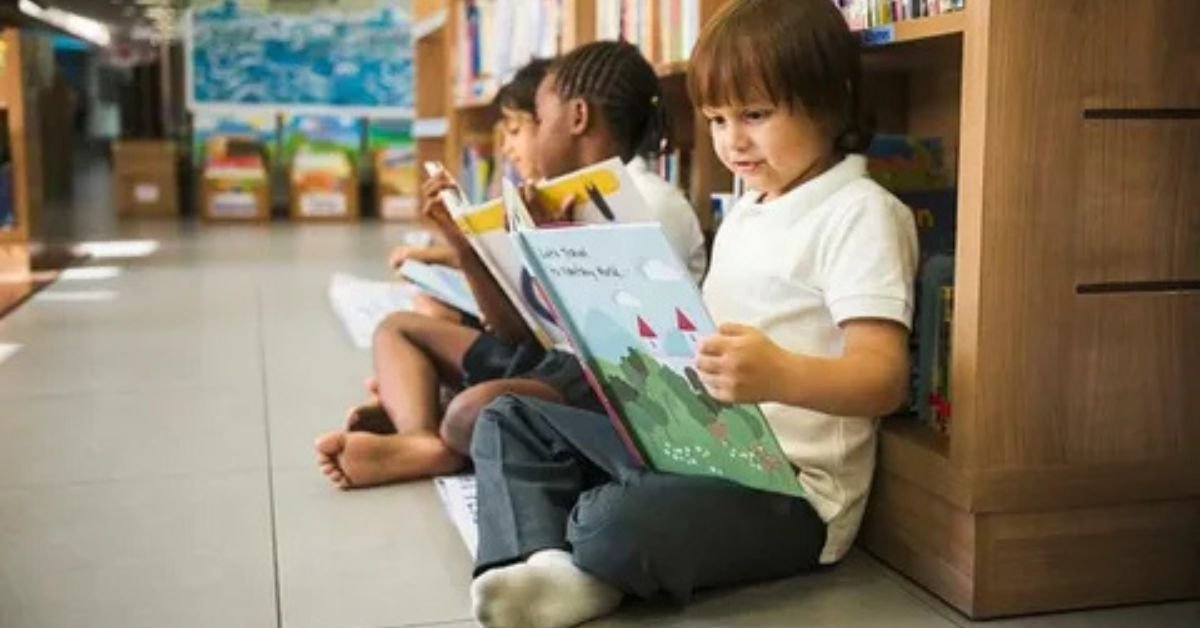
Creating a funny story is easier than it seems. Start with a simple idea. a talking object, a clumsy hero, or a silly problem. Give your characters unique habits or unexpected talents. Place them in situations where mistakes lead to laughter instead of trouble. Use playful language and funny comparisons. Kids enjoy stories where rules are bent in harmless ways. Keep the plot simple but surprising. A twist ending adds extra fun. If possible, read your story aloud. You’ll notice which parts make listeners laugh and which could use more humor.
Tips for Parents to Make Funny Stories Even More Fun
Parents can make story time magical by adding expressions, silly voices, and playful gestures. When reading funny short stories for kids, exaggerate the funny parts to get more giggles. Pause after a joke to let children react. Encourage them to guess what might happen next. Let them act out parts of the story. Involve them in creating sound effects, like animal noises or silly footsteps. After reading, talk about the story’s lesson in a lighthearted way. This not only makes reading fun but also strengthens the bond between parent and child.
How Teachers Can Use Funny Stories in Class

Teachers can use humor to keep students engaged during reading lessons. Funny stories break the tension and create a positive atmosphere. In funny short stories for kids, teachers can highlight new vocabulary in a playful context. Role-playing can bring characters to life. Students can act out a scene, rewrite a funny ending, or create their own humorous story based on what they read. Humor also works well for group activities. Students laugh together, build friendships, and develop teamwork skills.
Conclusion
Funny short stories for kids turn reading into an exciting and joyful adventure. They ignite imagination, create laughter, and teach valuable life lessons in the most delightful ways. Whether it’s a banana cracking jokes, a cow dancing in the barn, or a kitten barking instead of meowing, humor helps children view the world through a cheerful and curious lens.
These stories encourage kids to read more, listen attentively, and think creatively. They also strengthen bonds between parents, teachers, and children, making storytime a shared moment of joy. In a world that can sometimes feel serious, a little laughter goes a long way. Fill your storytime with giggles, and watch young minds flourish with every smile.
FAQs
Q1: Why are funny short stories important for kids?
They make reading enjoyable, improve language skills, and teach life lessons through humor.
Q2: Can funny stories help shy kids open up?
Yes. Humor relaxes children, making them more comfortable speaking and sharing ideas.
Q3: How often should parents read funny stories to children?
Even a short daily session can build strong reading habits and improve bonding.
Q4: Are funny stories good for learning morals?
Absolutely. Laughter makes the message easier to remember.
Q5: What age group enjoys funny short stories most?
Children aged 4 to 10 usually respond best, but humor can appeal to all ages.

Aoon Abbas is an experienced SEO expert dedicated to helping businesses grow through data-driven strategies, keyword optimization, and effective digital marketing.