

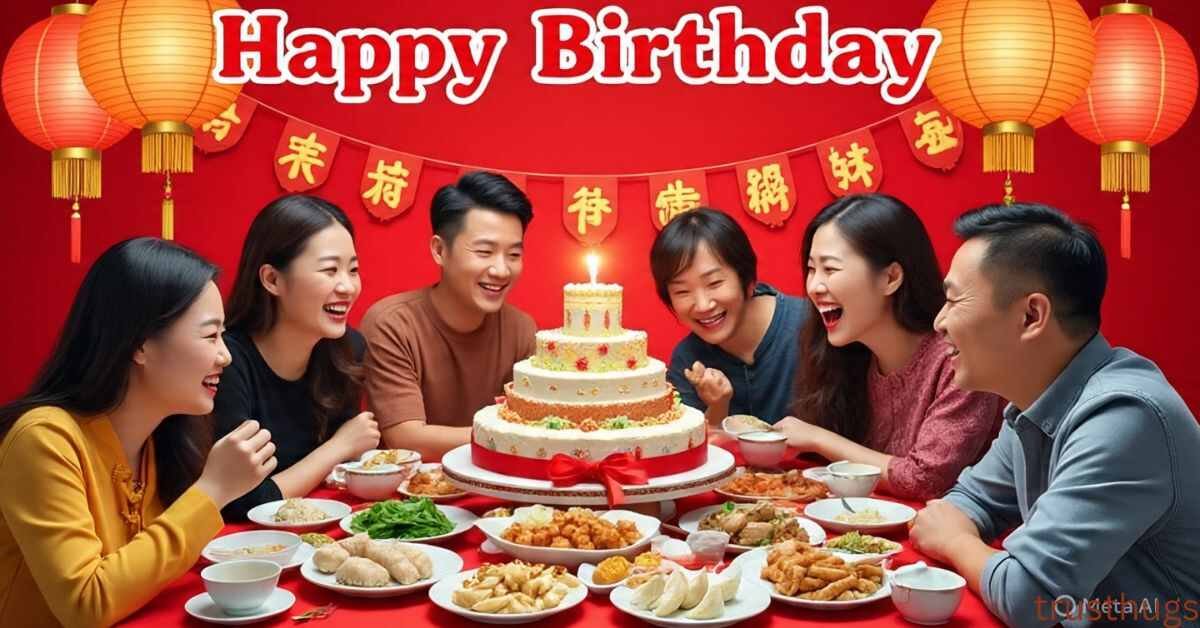
Introduction:
Wishing your Chinese friends a happy birthday in their native language is a thoughtful way to show respect for their culture and strengthen your connection. In this article, you’ll discover 8 different ways to say happy birthday in Chinese, covering both common phrases and more unique, heartfelt expressions. Whether you prefer something formal or playful, these greetings will help you convey your best wishes with warmth and style.
By the end, you’ll feel confident celebrating birthdays with your Chinese-speaking friends in a meaningful way. Learning these birthday greetings also helps improve pronunciation, vocabulary, and grammar. Saying “happy birthday” in Chinese adds a personal and impressive touch, making your wishes even more special. Explore these 8 phrases from simple to expressive and celebrate with warmth while enhancing your language skills.
Common Phrases for Happy Birthday

- The most widely used phrase is Happy Birthday.
- Wishing you a Happy Birthday is another common way to say it.
- Have a joyful birthday is a casual but sincere wish.
- Wishing you happiness every year is a common phrase.
- May you live a long life and prosper is a traditional birthday wish.
- Have a joyful birthday is an informal greeting.
- Wishing you health and happiness on your special day is formal.
- Wishing you all the best on your birthday is a great alternative.
Understanding Birthday Traditions
- Birthdays in China have various customs, depending on the region and family traditions.
- Children typically celebrate their birthdays with family.
- Family’s well-wishes for health and prosperity are a key part of celebrations.
- Red envelopes with money are a common birthday gift.
- Elders receive birthday wishes and gifts from younger generations.
- The birthday person may treat others to a meal or gift.
- Tea ceremonies and other traditional practices can be included.
How to Pronounce Happy Birthday in Chinese
- Happy Birthday is pronounced with clear syllables in Mandarin.
- The first word means birthday.
- The second word means happy or joyful.
- Mandarin pronunciation relies heavily on tones.
- Listening to native speakers helps improve pronunciation.
- Cantonese may have a different pronunciation for Happy Birthday.
- Practice the tones for better clarity in speech.
Writing Happy Birthday in Chinese Characters
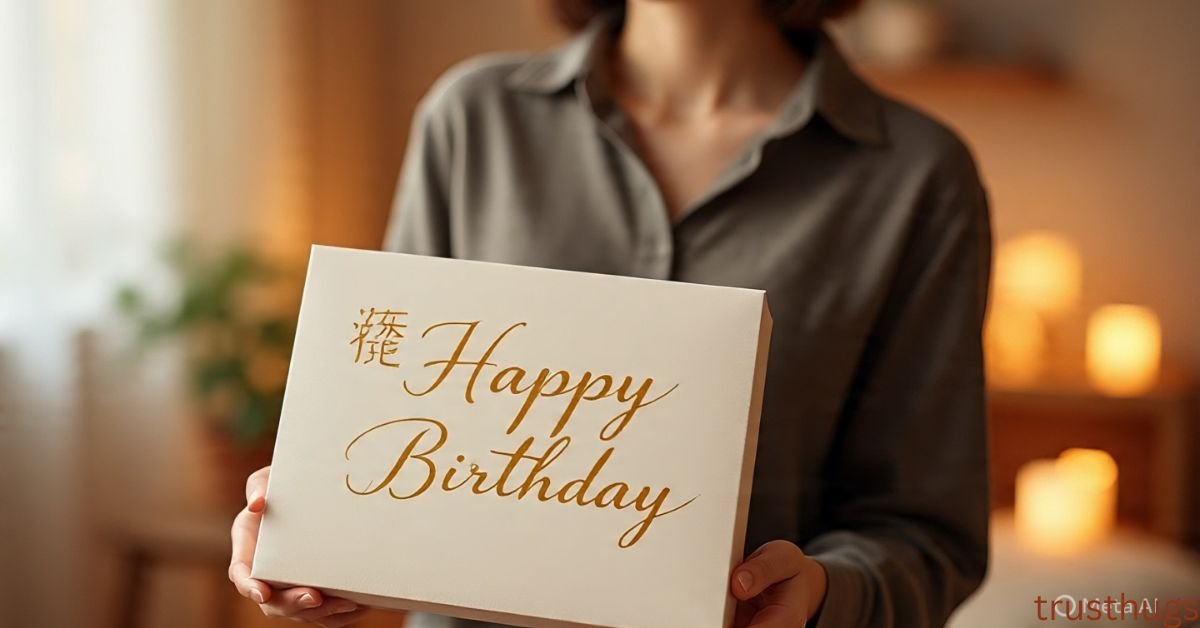
- Chinese characters are unique and beautiful, often used in birthday cards.
- The phrase for Happy Birthday is written in simplified characters.
- Traditional birthday greetings use similar characters with slight variations.
- Writing Chinese characters takes practice and patience.
- Adding a personal message alongside the birthday wish adds a special touch.
- Many people use digital cards with birthday wishes written in characters.
- Learning to write Chinese characters can make your greeting more thoughtful.
Unique Birthday Gifts in Chinese Culture
- Red envelopes with money are often given as birthday gifts.
- Health-related items are commonly given in place of cakes.
- Tea or a tea set is a traditional and thoughtful gift.
- A set of chopsticks or family heirlooms can be meaningful gifts.
- Calligraphy sets or books are appreciated, especially by younger generations.
- Art pieces like paintings or ceramics make special gifts.
- In modern China, gifts like electronics or clothes are also common.
Differences in Birthday Celebrations Across Regions
- Northern China focuses more on family gatherings and traditional foods.
- Taiwanese birthdays blend traditional customs and modern practices.
- Hong Kong celebrates birthdays with large parties influenced by Western culture.
- Rural areas celebrate birthdays less elaborately but with significance.
- Some regions focus on festivals and health, rather than birthdays.
- Older generations may not celebrate birthdays openly.
- Chinese New Year sometimes coincides with birthdays, making it a combined celebration.
Fun Facts About Birthdays

- Birthdays were not widely celebrated in ancient China until later dynasties.
- Zodiac birthdays are celebrated based on one’s animal sign.
- Chinese culture encourages avoiding strenuous activities on your birthday.
- Longevity noodles are believed to bring good luck and long life.
- Some regions have unique practices, like having an elder cut the birthday cake.
- The number of candles on a birthday cake may represent years or wishes.
- The first birthday is a major celebration, especially in rural areas.
Embracing Birthday Traditions in Chinese Culture
- Birthdays in Chinese culture have deep historical roots and vary by region.
- Understanding Chinese birthday wishes requires respecting traditions.
- Learning Happy Birthday in Chinese opens doors to cultural appreciation.
- Wishing someone Happy Birthday expresses good fortune universally.
- Chinese birthday celebrations blend modern and traditional practices.
- Understanding these traditions helps you participate in meaningful birthday events.
- Birthdays focus on health, longevity, and family unity in Chinese culture.
- “Happy Birthday” is more than just a phrase; it’s a gesture of goodwill.
Happy Birthday in Asian Languages
- Vietnamese people say Happy Birthday.
- Thai people use Happy Birthday.
- Filipino people say Happy Birthday for birthday greetings.
- In Hindi, Happy Birthday is the common phrase.
- Indonesians also use Happy Birthday.
- Happy Birthday is a universal greeting in many languages.
Hope your day is amazing!

- I hope you have a wonderful day filled with joy.
- Wishing you a joyful, memorable day filled with love, laughter, and happiness.
- Wishing you success and good health on your birthday.
- Here’s to many more birthdays filled with joy.
- Wishing you a fantastic year ahead filled with success, joy, and good health.
- I hope all your dreams come true this year.
- Wishing you happiness and joy every step of the way.
Western & Chinese Birthday Traditions
- Western birthdays often involve large parties with friends and family.
- Cake and candles are key elements of birthday celebrations in Western cultures.
- Western birthday parties often feature games, music, and dancing.
- Chinese birthdays focus more on family and tradition.
- A traditional Chinese birthday meal involves noodles, symbolizing longevity.
- Western birthdays typically involve public celebrations like parties or dinners.
- Chinese birthdays may include receiving red envelopes filled with money.
Conclusion:
Birthdays are a special occasion to celebrate life and the moments that make it meaningful. In different cultures, the way we wish someone well on their birthday varies, but the sentiment remains the same: joy, love, and well-wishes. In Chinese, is a warm greeting that reflects the importance of happiness and good fortune. Whether it’s a small gathering or a grand celebration, birthdays serve as a reminder to cherish our time with loved ones and appreciate the journey of life. Let’s take a moment to celebrate not just the passing of another year, but the growth, memories, and experiences that shape who we are.
FAQs:
1. What is the best way to wish someone a happy birthday?
The best way is to keep it simple and sincere. Saying something like, Happy Birthday! I hope your day is filled with happiness, love, and all the things you enjoy, shows you care, and makes the person feel special.
2. Can I say “many many happy returns of the day” while wishing someone?
Yes, absolutely! This phrase is a traditional and respectful way to wish someone well. It means you’re hoping they have many more happy birthdays in the future.
3. What are some unique or meaningful birthday wishes I can use?
Instead of the usual wishes, you can say something like, May this new year of your life bring you exciting adventures, personal growth, and endless happiness. Personalized wishes show you put thought into your greeting.
4. Is it okay to send birthday wishes after the birthday has passed?
Yes, it’s perfectly fine to send belated birthday wishes. People usually appreciate the gesture anytime, and you can say something like, Sorry for the late wish, but I hope your birthday was as wonderful as you are!
5. How do I wish someone a happy birthday on social media?
On social media, you can post a thoughtful message, tag the person, and share a memory or photo that reminds you of them. This public wish can make their day brighter and show others how much you care.

Aoon Abbas is an experienced SEO expert dedicated to helping businesses grow through data-driven strategies, keyword optimization, and effective digital marketing.