

Introduction:
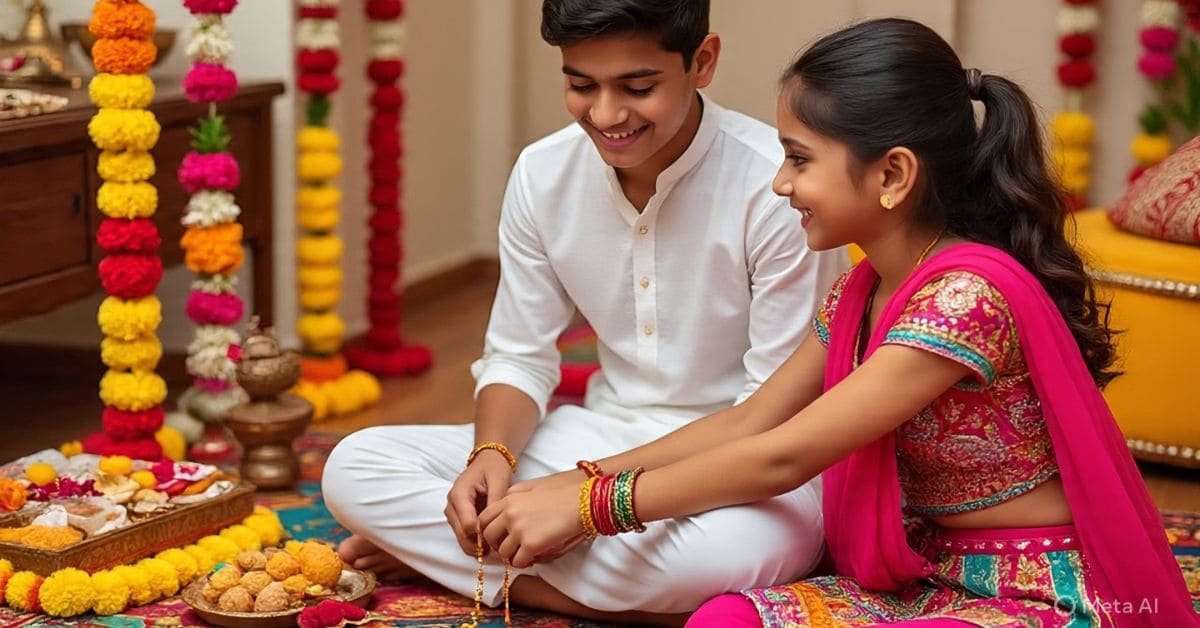
Raksha Bandhan is a cherished festival in India that honors the deep emotional bond between siblings, particularly brothers and sisters. The term ‘Raksha Bandhan’ comes from two Sanskrit words: ‘Raksha,’ meaning protection, and ‘Bandhan,’ meaning bond. The festival celebrates the lifelong promise siblings make to care for and protect each other, regardless of the circumstances. Sisters tie a sacred thread, called Rakhi, around their brothers’ wrists, and brothers vow to safeguard their sisters from all hardships in life.
Raksha Bandhan strengthens family bonds, fostering unity, love, and mutual respect. The festival is celebrated not only in India but also by the Indian diaspora around the world, making it a global occasion that connects hearts across distances. While the rituals and customs may vary from region to region, the essence of Raksha Bandhan remains the same.
The Historical Roots of Raksha Bandhan
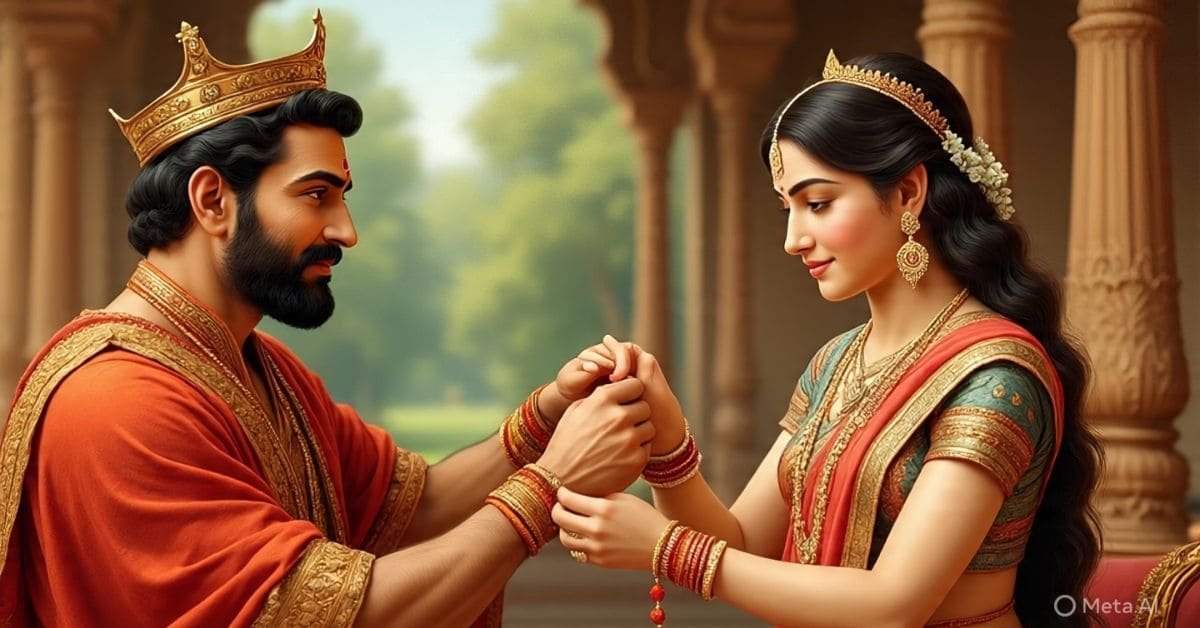
Raksha Bandhan has deep historical and cultural roots that go back centuries. In Hindu mythology, several stories emphasize the importance of the sibling bond, showcasing its deep significance. One of the most well-known tales highlights the bond between Lord Krishna and Draupadi. According to legend, when Lord Krishna was wounded in battle, Draupadi, the wife of the Pandavas, tore a piece of her sari and tied it around his wrist to stop the bleeding. Touched by her gesture, Lord Krishna promised to protect her whenever she needed help. Many believe this act of mutual protection gave rise to the tradition of Raksha Bandhan.
Another story links Raksha Bandhan to the epic Mahabharata, but there are also other regional and local legends that tell the story of how the festival came into being. Over time, Raksha Bandhan transformed into a celebration that honors not just the brother-sister relationship but the concept of protection, love, and responsibility.
Understanding the Rituals of Raksha Bandhan
The rituals of Raksha Bandhan are simple yet meaningful, providing a sense of connection and devotion. The day begins with sisters preparing for the celebration. They buy or make a Rakhi, a beautiful thread usually adorned with beads, sequins, and sometimes small gemstones. The sister then performs a small pooja (prayer) and applies a tilak (a red mark) on her brother’s forehead. As she ties the Rakhi, the sister expresses her heartfelt wishes for her brother’s success, joy, and well-being.
The Rakhi symbolizes a promise from the brother to protect his sister. While the gifts are a physical expression of love, the true significance lies in the emotional connection and the commitment siblings make to support one another. After the Rakhi ceremony, families often sit down to share festive meals, reinforcing the unity and togetherness of the family.
The Symbolism Behind the Rakhi Thread
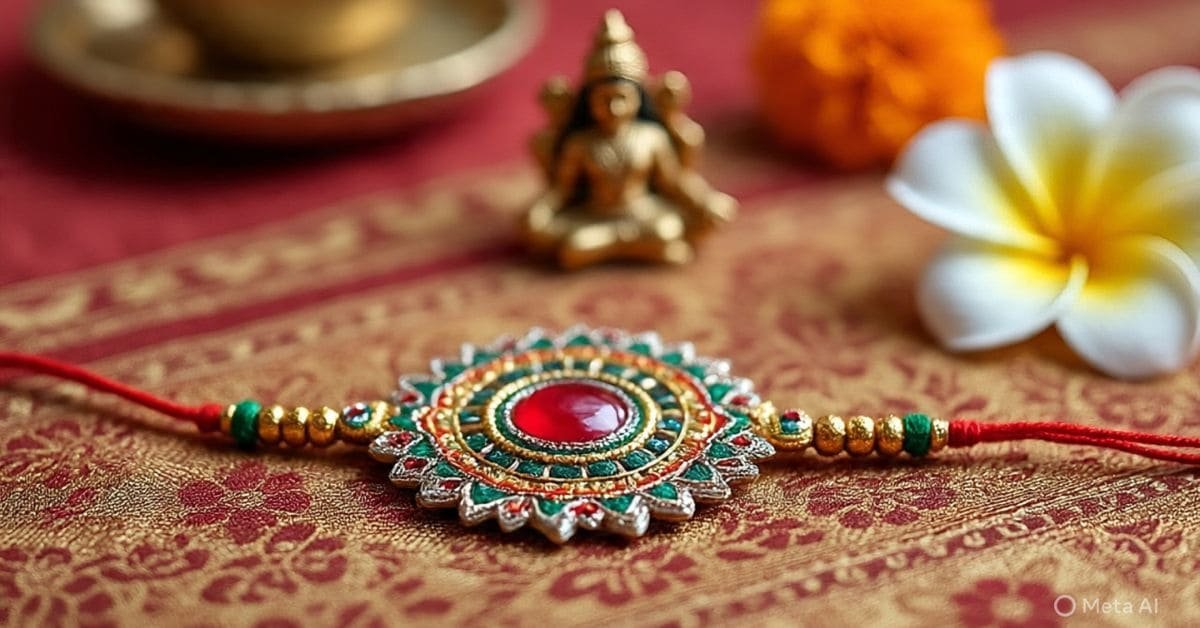
The Rakhi is not merely a decorative thread. It stands as a powerful symbol of love, care, and protection. It serves as a spiritual shield, offering blessings of health, wealth, and happiness. For the sister, it serves as a token of the brother’s lifelong promise to care for her and protect her from harm.
The thread represents the unbreakable bond between siblings, signifying that no matter where life leads them, they will always stand by each other. The Rakhi also acts as a reminder of the sacredness of sibling relationships and the moral responsibility they share to protect one another in times of need.
Regional Celebrations of Raksha Bandhan
In northern states like Uttar Pradesh, Punjab, and Haryana, the festival is a grand occasion. Families decorate their homes, prepare special sweets, and invite extended family members to join in the celebrations. Sisters often wear new attire, and the entire family comes together to celebrate the Rakhi ceremony.
In southern India, the festival is celebrated with the same zeal, although the customs may differ a bit. Women in the family, not just sisters, tie the Rakhi. sometimes even to the family priest or close relatives.
In the western parts of India, especially in Maharashtra, people celebrate Raksha Bandhan with traditional dance performances and music. Each region brings its own flavor and unique customs to the festival, but the emotional essence remains the same.
Modern-Day Celebrations of Raksha Bandhan
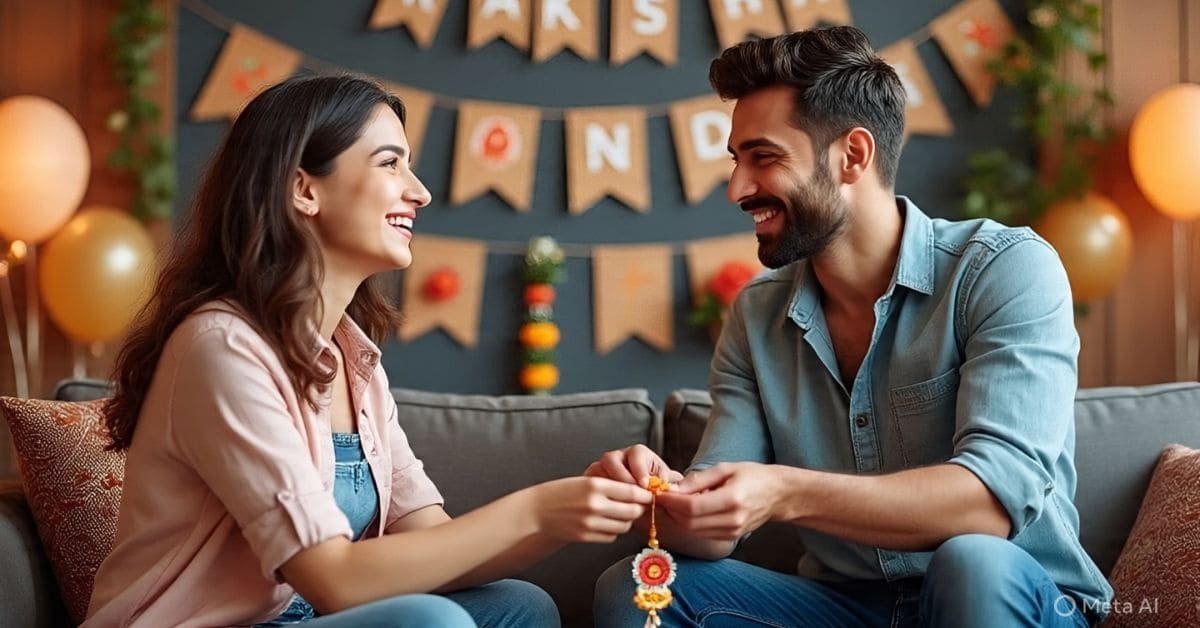
While Raksha Bandhan has its roots in traditional customs, modern-day celebrations have evolved to adapt to the fast-paced, globalized world. In today’s digital age, siblings who live far away from each other can still celebrate this festival thanks to technology. Online platforms and social media allow sisters to send Rakhis to their brothers, even if they are thousands of miles apart. Brothers can return the gesture by sending thoughtful gifts through e-commerce platforms.
Virtual celebrations have become a norm for many families, especially those living abroad. Video calls, online gift shopping, and virtual poojas make it possible for siblings to share the festive spirit despite the distance. These modern adaptations ensure that Raksha Bandhan remains meaningful, no matter where siblings are located.
Raksha Bandhan and Its Spiritual Meaning
At its core, Raksha Bandhan is a spiritual celebration that transcends the material exchange of gifts. The festival encourages individuals to reflect on the values of love, care, and responsibility. It reminds people of the importance of familial ties and the emotional support that siblings provide one another.
Tying a Rakhi symbolizes not only physical protection but also spiritual well-being, as the sister prays for her brother’s happiness and success. It reminds us of the strength of unconditional love and support, and encourages people to value and prioritize family bonds.
Raksha Bandhan and Gender Equality
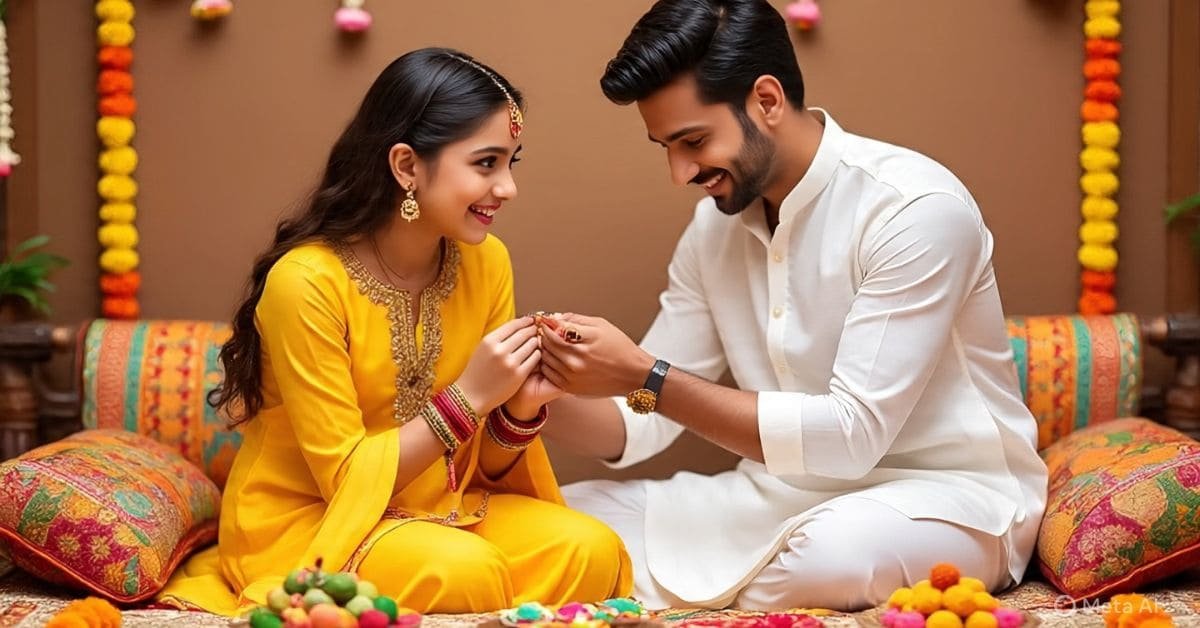
Traditionally, Raksha Bandhan has been viewed as a celebration of the protective role of brothers. However, in modern times, the festival has become an important symbol of gender equality. The festival not only honors the brother’s promise to protect his sister but also highlights the emotional strength and mutual respect between siblings, regardless of gender.
The festival now acknowledges the role both brothers and sisters play in the family dynamic. It is not just about protection but also about understanding and supporting each other, promoting equality in the family unit.
The Role of Gifts in Raksha Bandhan
Gifting has always played an important role in Raksha Bandhan celebrations. While the Rakhi itself holds deep emotional value, exchanging gifts is a way to show love and appreciation. Traditionally, brothers present their sisters with gifts such as money, jewelry, clothes, or sweets. In return, the sister also gives her brother a small gift as a token of gratitude and affection.
These gifts are more than material items; they represent love, care, and gratitude for each other’s presence.
The Future of Raksha Bandhan

As with all traditions, Raksha Bandhan continues to evolve. While its roots remain firmly planted in the values of love, protection, and mutual respect, the festival is adapting to the changing needs of society. Whether through virtual celebrations or the growing emphasis on gender equality, Raksha Bandhan remains a festival that brings families together.
In the future, the meaning of Raksha Bandhan will likely continue to expand. As people become more conscious of emotional well-being and mental health, the festival may take on even greater significance in nurturing sibling relationships and offering emotional support
Conclusion:
Raksha Bandhan celebrates the cherished bond between siblings, grounded in love, tradition, and mutual respect. While it primarily symbolizes a sister’s care and protection for her brother, the festival also extends to other close family members and friends who share a protective bond. It fosters unity, affection, and a sense of responsibility, strengthening relationships across generations. Celebrated with enthusiasm around the world, Raksha Bandhan brings people together, transcending cultural and geographical boundaries. It remains a timeless expression of love, care, and protection.
FAQs:
1. What does Raksha Bandhan celebrate?
Raksha Bandhan celebrates the bond of love, protection, and mutual respect between brothers and sisters. It represents a lifelong promise to support and care for each other.
2. When is Raksha Bandhan celebrated?
Raksha Bandhan falls on the full moon day of the Hindu month of Shravana, usually in August. The date changes each year according to the lunar calendar.
3. Can Raksha Bandhan be celebrated online?
Yes, siblings who live far apart can celebrate Raksha Bandhan online by sending Rakhis and gifts through digital platforms.
4. What is the significance of the Rakhi thread?
The Rakhi thread symbolizes love, protection, and the promise to support each other. It represents the unbreakable bond between siblings.
5. Who traditionally celebrates Raksha Bandhan?
People traditionally celebrate Raksha Bandhan to honor the bond between brothers and sisters. Many also include close family members or friends who share a protective bond.

Aoon Abbas is an experienced SEO expert dedicated to helping businesses grow through data-driven strategies, keyword optimization, and effective digital marketing.